
When considering Houston window tinting costs per square foot, you might be surprised by the intricacies that impact the final pricing. Factors like the type of film, window size, and installation complexity play crucial roles in determining the overall expenses. Understanding these nuances can help you make informed decisions when budgeting for your tinting project. So, before you commit to a quote, take a moment to explore the various aspects that influence the cost – it could save you both money and headaches in the long run.
For high-quality window tinting services in Houston, it’s recommended to reach out to Houston Window Tints for expert assistance. They offer a wide range of options to suit your needs and preferences.
If you are in the Houston area and looking for professional window tinting services, consider contacting us. They specialize in car window tinting, auto window tints, and more to enhance both the aesthetics and functionality of your vehicle.
Factors Affecting Tinting Costs
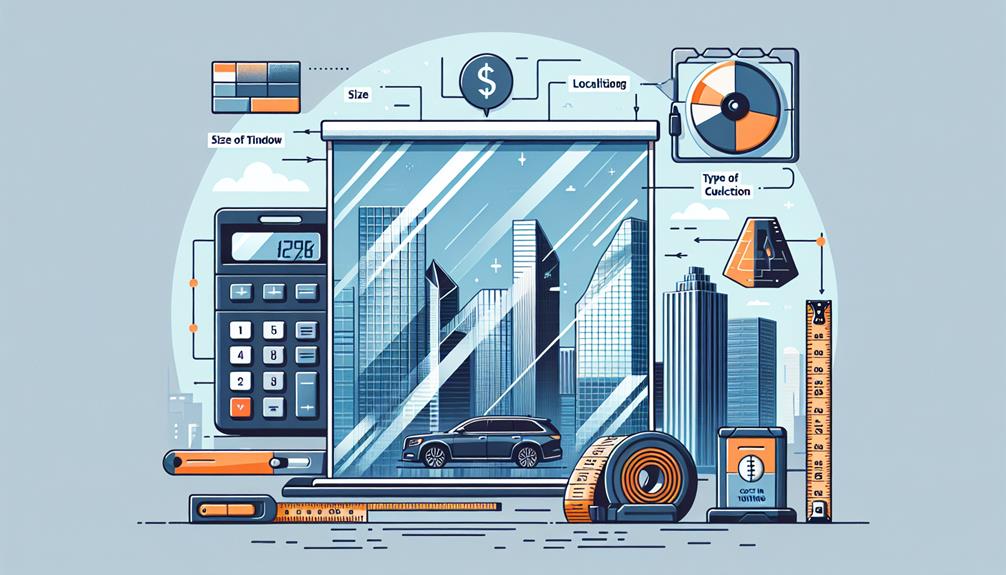
Factors impacting the cost of window tinting per square foot include the type of tint film selected, the size of the windows, and the complexity of the installation process.
The choice of tint film significantly affects pricing, with basic dyed films being more affordable than advanced ceramic options.
Larger windows naturally require more material, increasing overall costs.
Moreover, intricate installations, such as those involving curved or hard-to-reach windows, can also drive up prices due to the additional labor and expertise needed.
Understanding these factors allows you to make informed decisions when considering window tinting, ensuring you select the most cost-effective option that meets your specific requirements.
Types of Window Film Available
Several options of window film are available in the market for you to choose from, each offering distinct features and benefits.
The most common types include dyed film, which is affordable but can fade over time, carbon film that provides better heat reduction and doesn’t fade, ceramic film known for its high heat reduction properties without interfering with electronic signals, and metalized film offering excellent UV protection and durability.
Each type varies in terms of cost, heat reduction capabilities, UV protection, and signal interference.
It’s essential to consider your specific needs, such as UV protection, heat reduction, or signal clarity, when selecting the right window film for your residential or commercial space to ensure you get the most value out of your investment.
Average Cost for Residential Tinting
When considering residential window tinting, the average cost per square foot can vary based on factors such as the type of film chosen and the size of the project. On average, residential window tinting can cost between $5 to $8 per square foot for standard solar control films. However, more specialized options like decorative or security films may range from $7 to $12 per square foot.
Larger projects tend to have lower costs per square foot due to economies of scale, while smaller projects might incur higher costs. Additionally, the quality of installation and the reputation of the tinting company can also influence pricing. It’s essential to obtain quotes from multiple providers to ensure you’re getting a fair price for your residential window tinting needs.
Commercial Tinting Pricing Guide
To understand the pricing structure for commercial window tinting, consider the square footage of the windows and the type of film required. Commercial tinting prices typically range from $5 to $15 per square foot, depending on factors such as the size of the windows, the type of film chosen (such as solar control, security, or decorative film), and any additional services like installation or warranty.
Larger windows or specialty films may push costs towards the higher end of the spectrum. For a precise estimate, it’s best to consult with a professional window tinting service that can assess your specific needs and provide a detailed quote based on your commercial space’s requirements.
Automotive Window Tint Cost Breakdown
When considering automotive window tint cost breakdown, it’s essential to factor in the square footage of the vehicle’s windows and the quality of tint desired. The price of automotive window tinting is typically calculated per square foot, with higher quality tints costing more.
Basic dyed tint is the most affordable option, followed by better-performing carbon and ceramic tints that offer enhanced UV protection and heat rejection. The average cost for automotive window tinting ranges from $200 to $800, depending on the size of the vehicle and the type of tint selected.
Keep in mind that larger vehicles with more windows will cost more to tint. Understanding these cost breakdown factors will help you make an informed decision when tinting your vehicle’s windows.
Additional Charges to Consider
Considering additional charges when calculating Houston window tinting cost per square foot can provide a more accurate estimate for your project. In addition to the base cost of materials and labor, it’s crucial to factor in potential extra charges that may arise during the installation process.
These additional costs could include fees for removing old tint, custom cuts for uniquely shaped windows, or any necessary repairs to the glass before tinting. Moreover, some window tinting companies may charge extra for specialized tint films, such as ceramic or security films.
DIY Vs. Professional Installation Costs
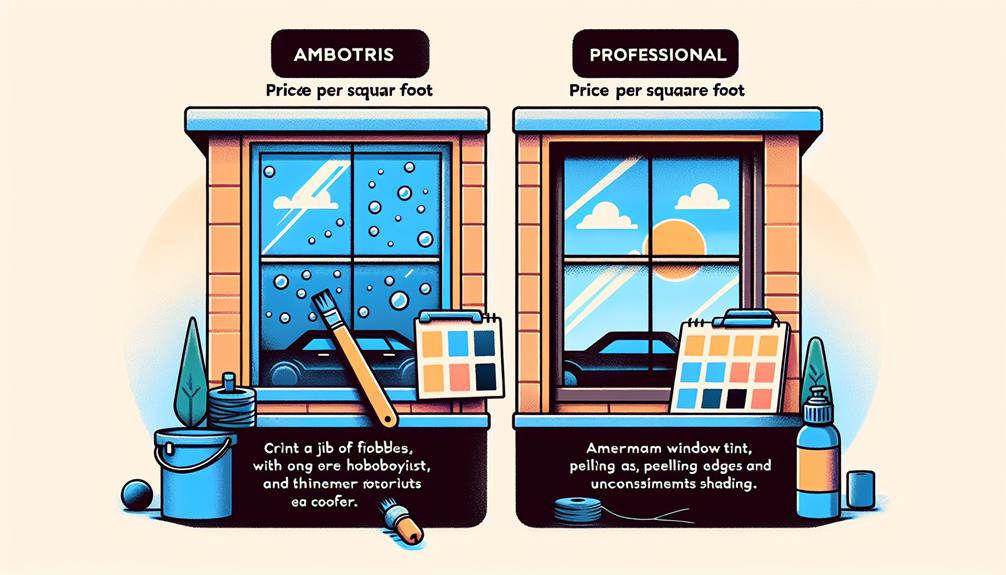
When deciding between DIY and professional installation for window tinting, it’s essential to consider the impact on overall project costs and the quality of the final result.
DIY tinting kits are generally cheaper upfront, ranging from $50 to $200, but they require careful application to avoid costly mistakes.
On the other hand, professional installation costs can vary from $5 to $15 per square foot, totaling around $150 to $600 for an average car. While this may seem pricier, professionals have the expertise to deliver a flawless finish, reducing the risk of bubbles or creases that could impact visibility.
Opting for professional installation ensures a higher-quality outcome, which can enhance the aesthetic appeal and longevity of your window tint.
Tips to Save on Tinting Expenses
To minimize tinting expenses, explore discounts offered by local tinting shops or inquire about bundled services for multiple windows. Many shops provide discounts for first-time customers, referrals, or seasonal promotions. Bundling services for multiple windows can also lead to cost savings compared to tinting each window individually.
Additionally, keep an eye out for special offers during slower business periods or holidays when shops may run promotions to attract more customers. By staying informed about available discounts and promotions, you can make significant savings on your window tinting project without compromising on the quality of the service.
Researching and taking advantage of these cost-saving opportunities can help you achieve the desired results within your budget.